Thursday 16 July 2026
Why your box changes with the seasons (and why we think that's the point)
We get asked why we can't just promise the same vegetables every week. Here's the honest answer — and why eating with the seasons is the whole idea.
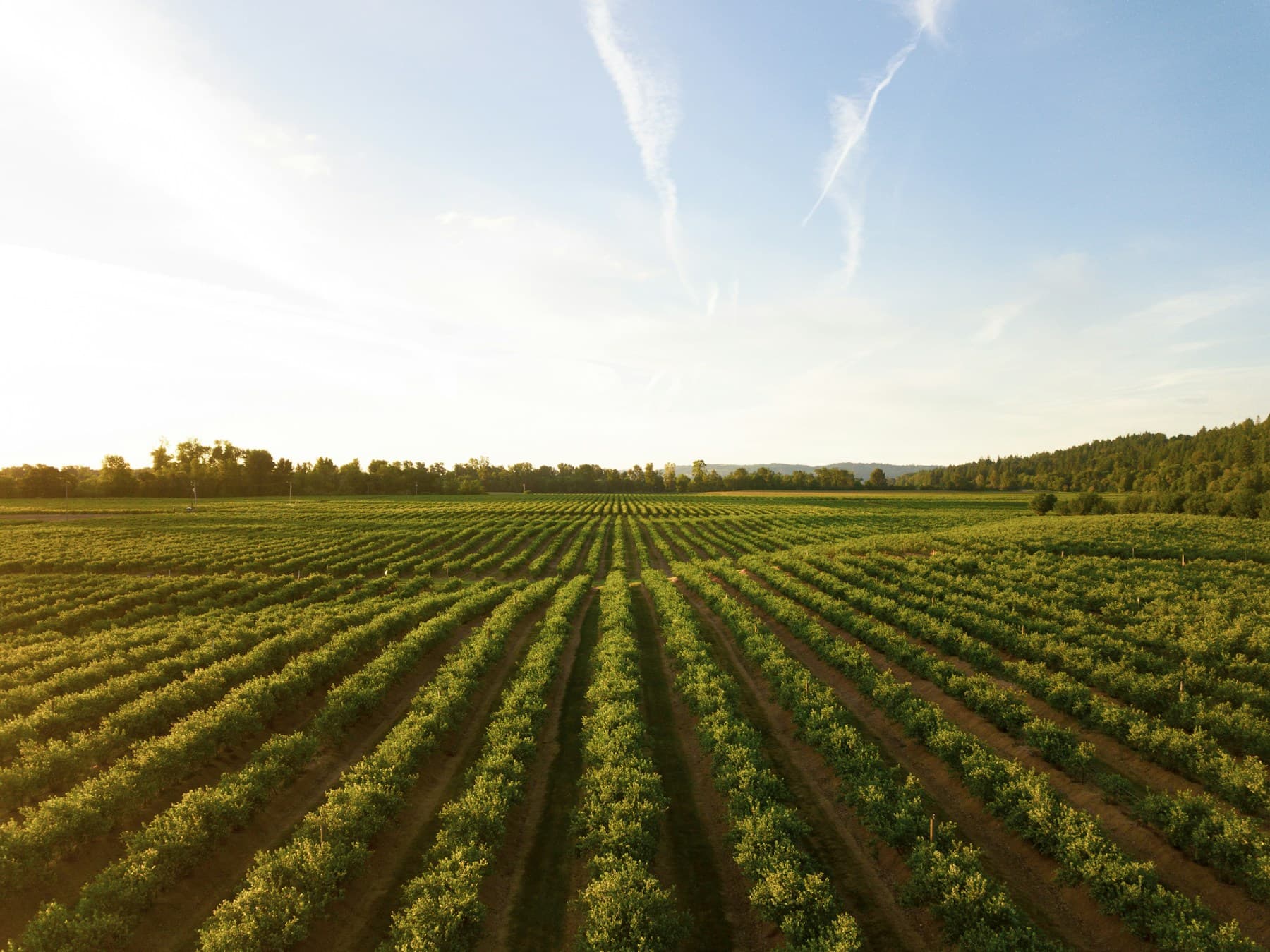
Every so often a new subscriber asks, very reasonably: can you just tell me what'll be in the box next month?
And the honest answer is: no. Not because we're being precious, but because we genuinely don't know. We can tell you what we planted and what usually happens next. The weather gets the final say.
The supermarket illusion
A supermarket shelf looks the same in July as it does in January — same tomatoes, same lettuce, same everything. That consistency is real engineering: fruit picked green and gas-ripened, cool stores the size of football fields, produce trucked and flown from wherever on earth it happens to be summer.
It works. But you pay for it twice — once in food miles and packaging, and once in flavour, because a tomato bred to survive three weeks of logistics is a tomato bred for something other than eating.
What we do instead
Our vegetables travel about twenty minutes. They're picked the day before you get them, at whatever moment the garden decides they're ready. That means February boxes drowning in heirloom tomatoes and basil, July boxes built on frost-sweetened brassicas and citrus, and a couple of lean, scrappy weeks in September when we're all — garden included — waiting for spring.
We've laid the whole year out honestly on the what's in season page, hungry gap and all.
It changes how you cook
Subscribers tell us the same thing after a few months: they stopped deciding what to cook and then shopping for it, and started opening the box and asking what it wants to be. That's the whole trick. That's how everyone cooked until about 1970, and it's why we put menu suggestions in every week's notes.
The box changes because the year changes. We think that's not a limitation — it's the product.
— Tina
Like the sound of this week's box?
Get next week's